[ 02 ]Founders
Two founders. One who builds the machine, one who taught it to invest.

Builds the AI research engine that powers Claremont. Computer Science at Harvey Mudd College, with a focus on applied AI and large reasoning models. Multiple early-stage startups under his belt before this: the kind of operator who has shipped a v1 at 3am and learned every lesson the hard way.
Harvey Mudd CSAI / LLM systemsRepeat founder
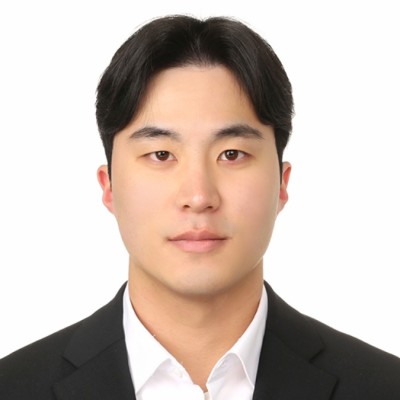
Pomona College, Class of 2026. After a stint at a Korean hedge fund, went on to run his own discretionary book and personally posted a +265% cumulative return over four years. His investment process (business quality, valuation discipline, conviction frameworks) is what the 167-point research framework encodes. The patient half of the partnership.
Pomona '26Korean hedge fund alum+265% / 4 yrs